
Preimplantation Genetic Testing (PGT)
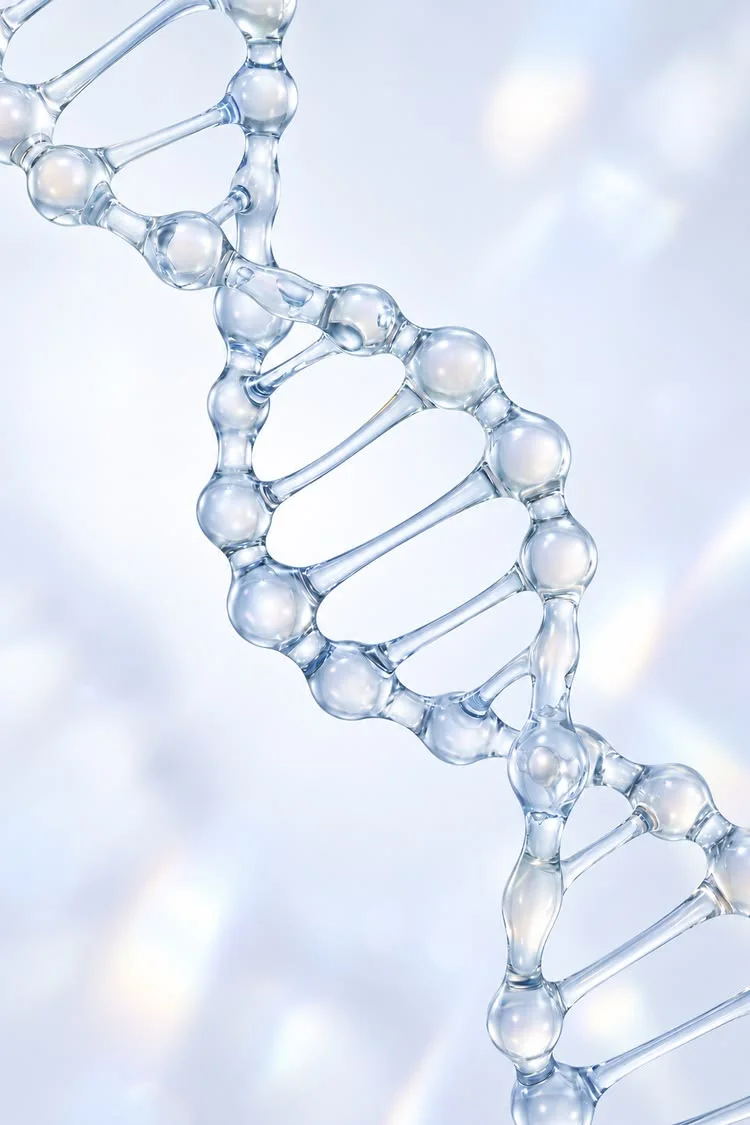
Preimplantation Genetic Testing (PGT) is a specialized procedure performed during ICSI/IVF to assess embryos before transfer. It helps identify certain genetic or chromosomal abnormalities and supports the selection of embryos for transfer based on the type of genetic testing recommended.
Who may benefit from PGT?
PGT may be recommended for:
- Couples with a known inherited genetic condition or a carrier, such as thalassemia, sickle cell disease and certain inherited blood disorders
- Patients with a history of recurrent miscarriage
- Women of advanced maternal age
- Patients with repeated IVF failure
- Cases where there is a higher risk of chromosomal abnormalities, especially where there is a history of a chromosomal condition in a previous child
Types of PGT
PGT-A
screens embryos for chromosomal abnormalities, such as extra or missing chromosomes, which may affect implantation or increase the risk of miscarriage.
PGT-M
is used when one or both partners carry a known inherited genetic condition. It tests embryos for a specific genetic disorder to help reduce the risk of passing it on to the child.
How does PGT work?
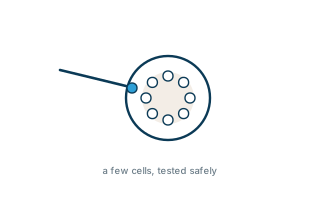
PGT is performed as part of an IVF cycle. Once embryos are created and reach the appropriate stage of development in the laboratory, a few cells are carefully biopsied from selected embryos. These samples are then analyzed for the specific genetic or chromosomal condition being tested. Based on the results, embryos identified as suitable may be selected for transfer.
Examples of genetic disorders for which PGT may be considered in Saudi Arabia
- Sickle cell anemia
- Thalassemia
- Congenital glaucoma
- Bardet–Biedl syndrome
- Meckel–Gruber syndrome
- Organic acidemias
- Lysosomal storage disorders
- Retinal dystrophies
- Hereditary hearing loss
- Primary microcephaly
- Sanjad–Sakati syndrome
- Joubert syndrome
- Muscular dystrophy
- DeSanto–Shinawi syndrome
- Waardenburg–Shah syndrome
- Hirschsprung disease
- Wolf–Hirschhorn syndrome
- Progressive familial intrahepatic cholestasis (PFIC)
- Aicardi–Goutières syndrome
- Galactosemia
- Cystic fibrosis
- Other inherited genetic disorders (as clinically indicated)
What to Expect
A connected sequence of treatment steps from the first consultation through follow-up.
IVF or ICSI Cycle
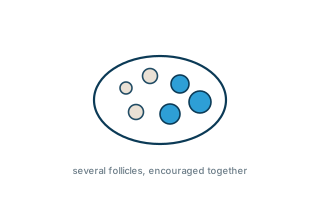
PGT begins with a standard IVF or ICSI cycle — ovarian stimulation, egg retrieval, and fertilization in our embryology lab to create embryos suitable for testing.
several follicles, encouraged together Embryo Biopsy
Once embryos have developed for several days, our embryologists carefully take a small number of cells from each embryo selected for testing. The procedure is performed under high-powered microscopy and is designed to leave the embryo itself intact.
a few cells, tested safely Genetic Screening
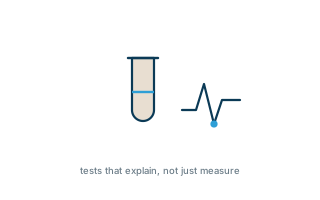
The biopsied cells are sent to a specialist genetics laboratory, where chromosomes are analyzed for the condition being tested. Results typically return within a few days.
tests that explain, not just measure Results & Consultation
Your specialist reviews the results with you clearly and carefully — explaining what was found, which embryos are suitable for transfer, and what this means for your next steps.
a conversation, first Transfer of Selected Embryo
An embryo confirmed suitable for transfer is used in a carefully timed frozen embryo transfer cycle. Any remaining suitable embryos can be stored for future use.

a quiet, few-minute step
Understand the Wa'ad Bnoon Program
Preimplantation Genetic Testing (PGT) is a specialized procedure performed during ICSI/IVF to assess embryos before transfer. It helps identify certain genetic or chromosomal abnormalities and supports the selection of embryos for transfer based on the type of genetic testing recommended.
Book a ConsultationHeard from PGT patients
Real patient stories will be shared here once our patients have given their consent. Every story published on this page will be genuine, unedited, and shared with full permission.
Editorial note — Bnoon
We believe patient voices are among the most powerful guides for families beginning their fertility journey. These spaces are reserved for real experiences, shared in the patients’ own words.
Editorial note — Bnoon
Meet the specialists
Common Questions About PGT
Screening embryos before transfer
The information on this page is for educational purposes only and does not constitute medical advice. Specific treatment options, protocols, and expected outcomes vary between patients and will be discussed in detail during your consultation with a Bnoon specialist.