

In Vitro Fertilization (IVF) and Intracytoplasmic Sperm Injection (ICSI)
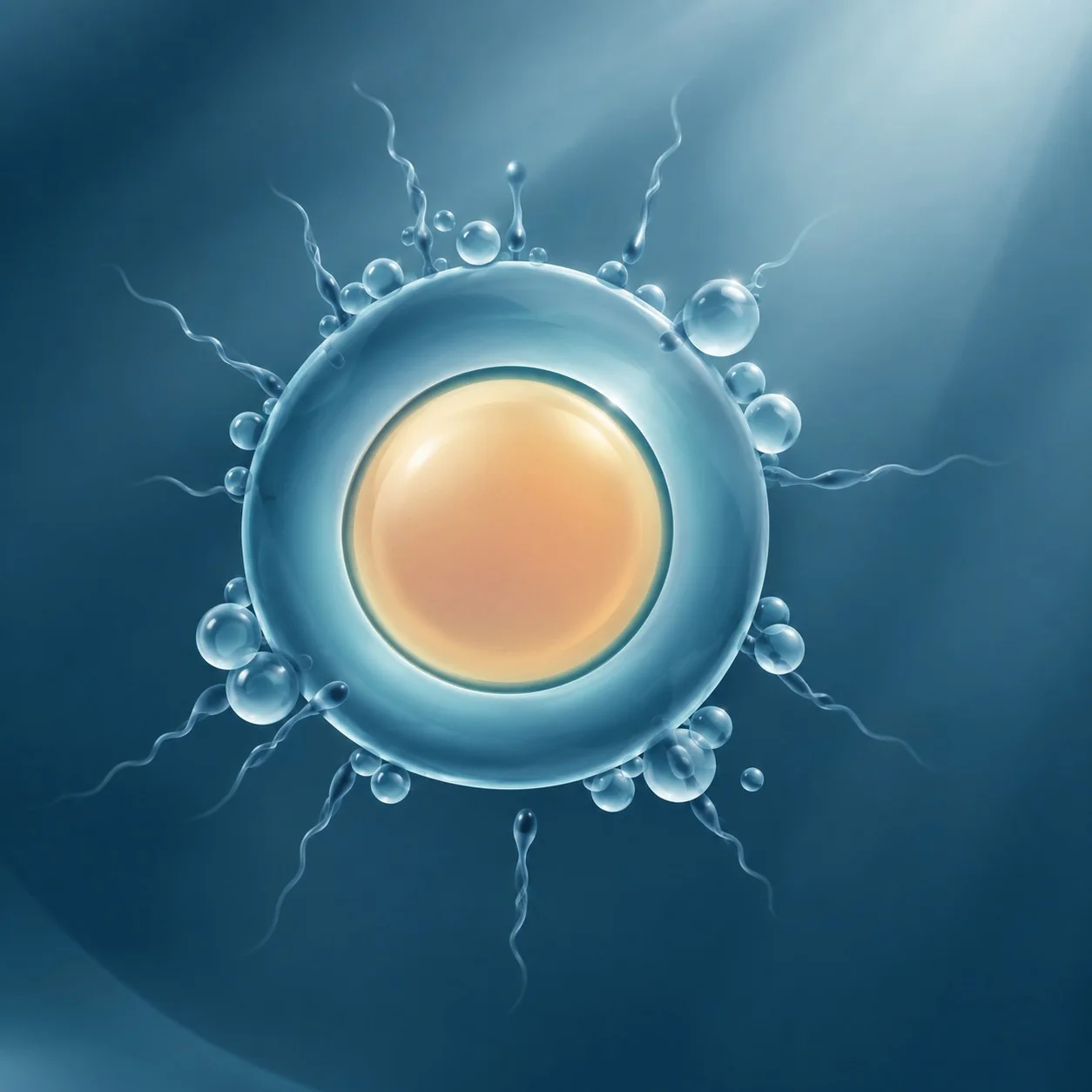
IVF and ICSI are advanced fertility treatments designed to help couples experiencing infertility. In IVF, eggs are retrieved from the ovaries and fertilized with sperm in the laboratory. In ICSI, the best single sperm is injected directly into each mature egg to support fertilization, particularly in cases of male-factor infertility.
What to Expect
A connected sequence of treatment steps from the first consultation through follow-up.
Ovarian Stimulation
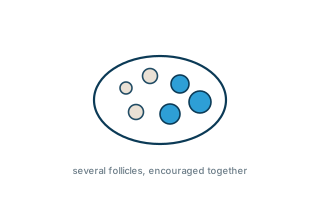
Hormonal ovulation induction medications are used for the wife to stimulate the ovaries to produce reasonable number of mature eggs. This stage is monitored through ultrasound scans and blood tests, and takes around 10 - 14 days. Duration: 10 – 14 days Monitoring: Ultrasound Anaesthetic: None
several follicles, encouraged together Egg Retrieval
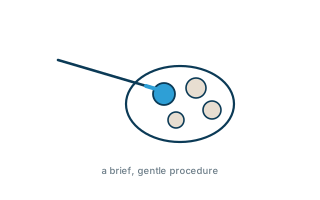
When the eggs are ready, they are collected from the wife's ovaries during a minor procedure performed under sedation. Duration: About 20 min Setting: Day procedure Anaesthetic: Light sedation
a brief, gentle procedure Fertilization
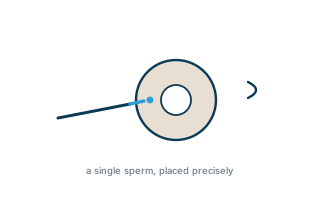
In the laboratory, the eggs are fertilized either through conventional IVF or by ICSI, where a single sperm collected from the husband is injected directly into the egg. Duration: Same day Method: IVF or ICSI Setting: Laboratory
a single sperm, placed precisely Embryo Culturing
If fertilization occurs, the embryos are monitored in the laboratory for several days and the couple are updated of the division of embryos on daily basis. Duration: 3 – 5 days Updates: Daily Setting: Incubator
a conversation, first Embryo Transfer
One or more embryos are then transferred into the uterus in the same cycle or could be frozen for future cycles after discussion with the couple. Duration: About 15 min Anaesthetic: None Option: Freeze for later
a quiet, few-minute step Pregnancy Test
A blood pregnancy test is usually done around 10-14 days after embryo transfer, depending on the treatment plan and day of embryo transfer. Timing: 10 – 14 days after Test: Blood test Result: Same day
tests that explain, not just measure
The IVF journey, step by step
A high-level view of an IVF cycle, from consultation through pregnancy testing. Your specialist confirms the timing that is right for your protocol.
A connected sequence of treatment steps from the first consultation through follow-up.
- Start
Consultation
Start with a review of your history, tests, and goals.
your plan, reviewed together - Stimulation
Stimulation & monitoring
Medication and monitoring support healthy egg development over the following weeks.
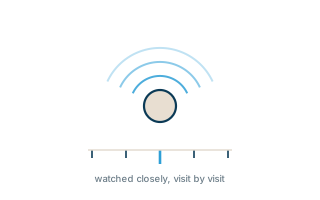
watched closely, visit by visit - Retrieval
Egg retrieval & fertilisation
Eggs are retrieved and fertilised in the embryology laboratory.
a single sperm, placed precisely - Embryo culture
Embryo culture
The team observes embryo development in the laboratory before transfer.
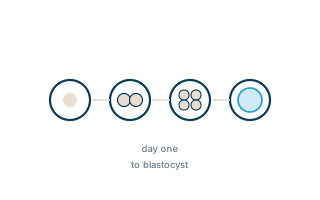
day one to blastocyst - Transfer
Embryo transfer
Your care team guides the preparation and timing for transfer.
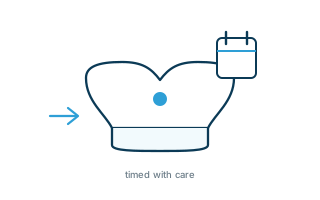
timed with care - The wait
Pregnancy test
Your coordinator tells you when to test and supports you while you wait.
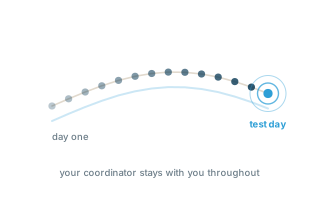
your coordinator stays with you throughout
Timing varies by person and protocol. Your Bnoon specialist will explain your individual plan during consultation.
Understand the Wa'ad Bnoon Program
Review the published starting conditions, three-attempt framework, reimbursement scope and exclusions. Eligibility and current written terms require confirmation.
Explore the ProgramHeard from IVF patients
Real patient stories will be shared here once our patients have given their consent. Every story published on this page will be genuine, unedited, and shared with full permission.
Editorial note — Bnoon
We believe patient voices are among the most powerful guides for families beginning their fertility journey. These spaces are reserved for real experiences, shared in the patients’ own words.
Editorial note — Bnoon
Meet the specialists
Common Questions About IVF